Start with one recognisable visual system
Packaging is often the first physical contact a customer has with a brand. The useful goal is not to decorate every surface. It is to make the logo, colour and product information feel consistent from one component to the next.
Choose one primary colour, one supporting colour and a clear type hierarchy. Apply those decisions to the label, bag, card and any promotional insert.
Give each component one job
A coordinated set works best when every item has a clear role:
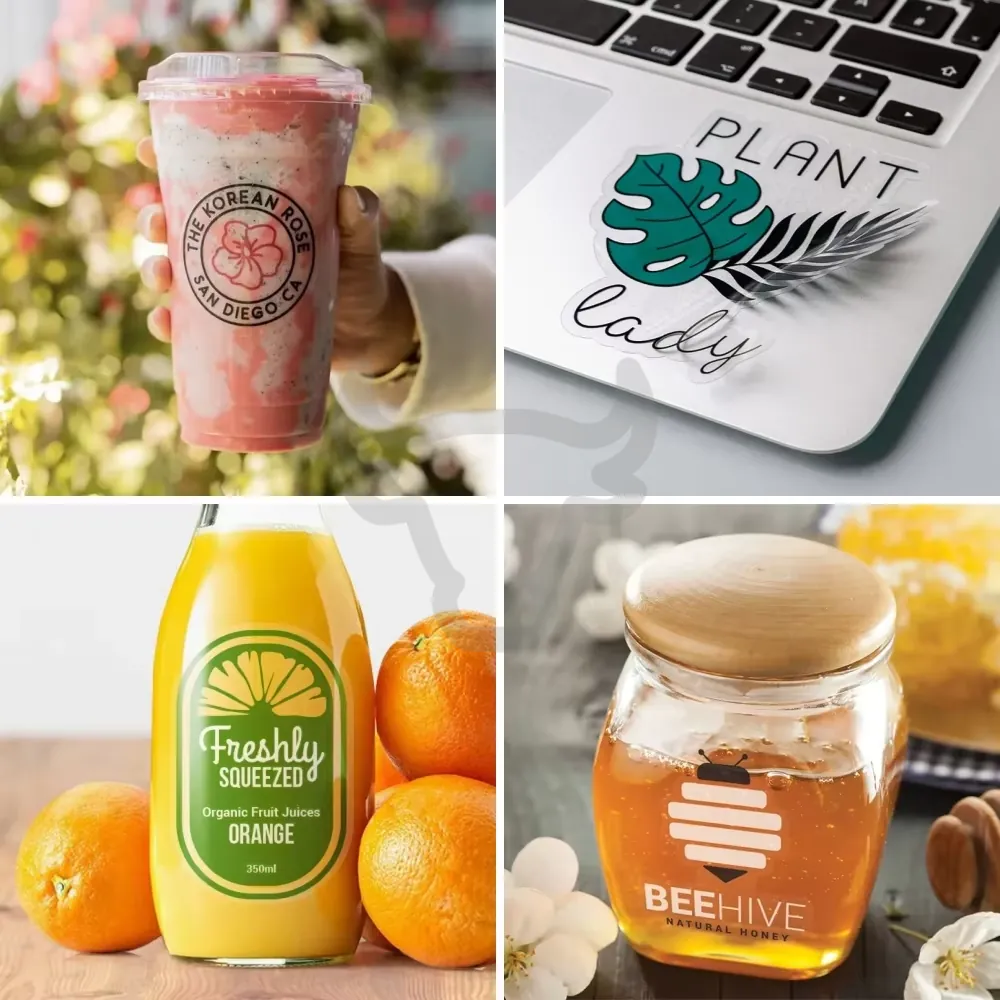
- Product label: identity, required information and variant recognition.
- Seal or logo sticker: closure, tamper indication or a simple brand mark.
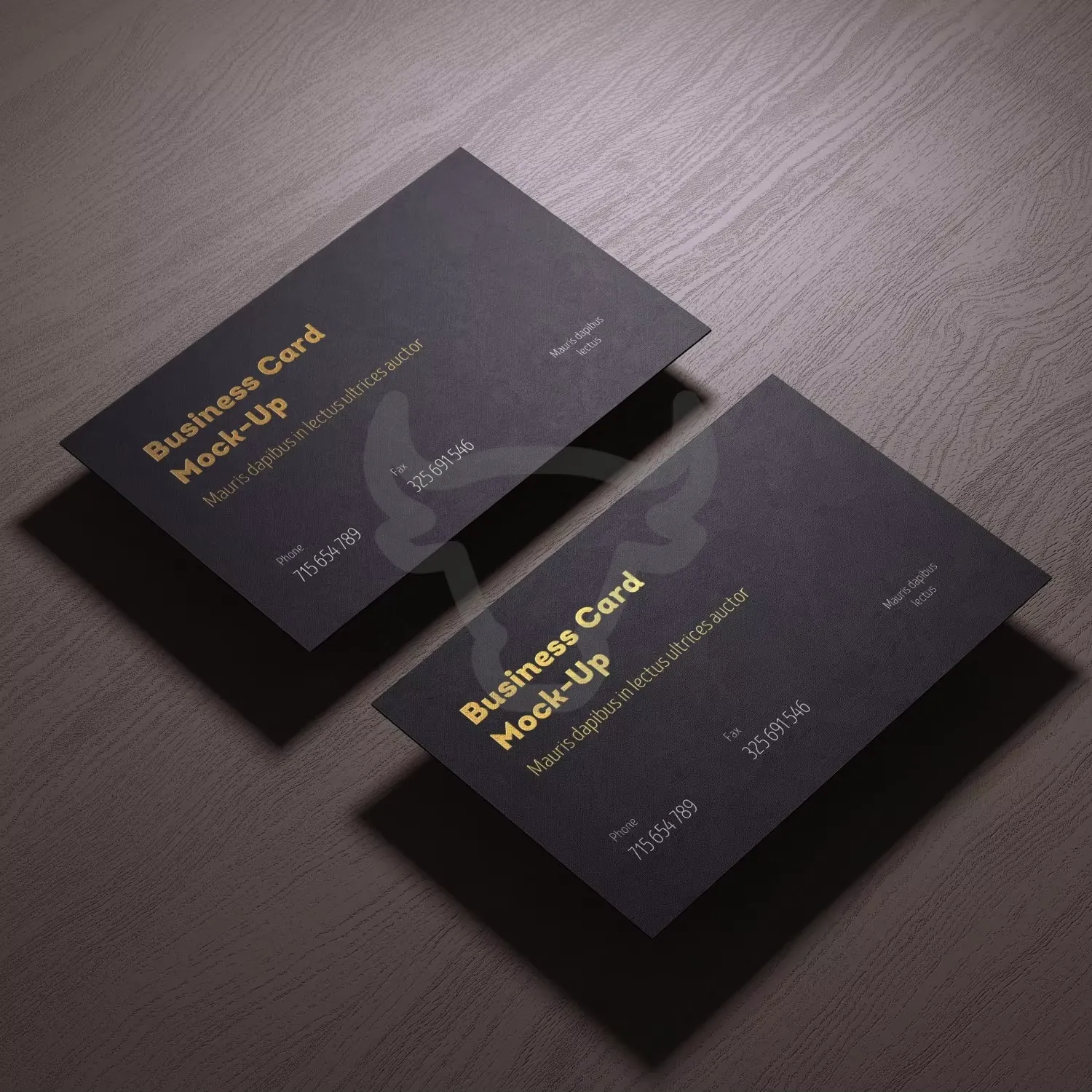
- Business or thank-you card: contact, care or repeat-purchase information.
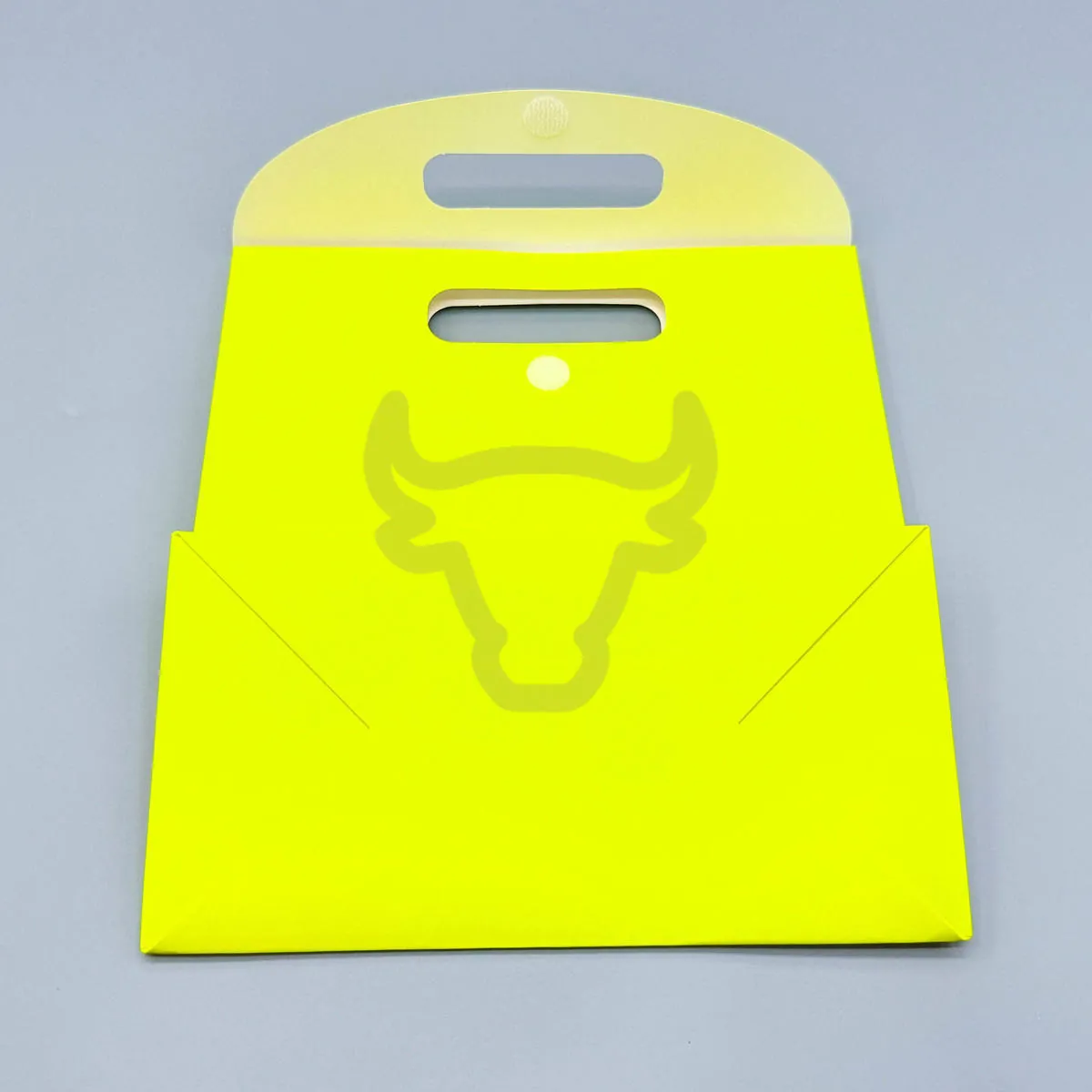
- Paper or tote bag: transport and visible brand presentation.
- Display sign: product explanation at a counter, event or retail shelf.
Repeating the same message on every component creates clutter. Repeat the identity, not all the copy.
Match the material to the handling
Paper can suit dry, short-use packaging. Film is often considered when moisture, oils or repeated handling matter. Clear film creates a low-visual-edge appearance but may need white ink to keep colours readable. Bags and cards should be selected around the weight, handling and desired feel.
Build the brief before production
Share the complete set together, even if components are produced separately. Include:
- Finished dimensions and quantity for each item.
- Photos of the product and application surfaces.
- Brand colours and approved logo files.
- Required information that must remain readable.
- How the items will be packed, displayed and handled.
Reviewing the set together helps align colour, hierarchy and finish across different materials.