
What white ink does
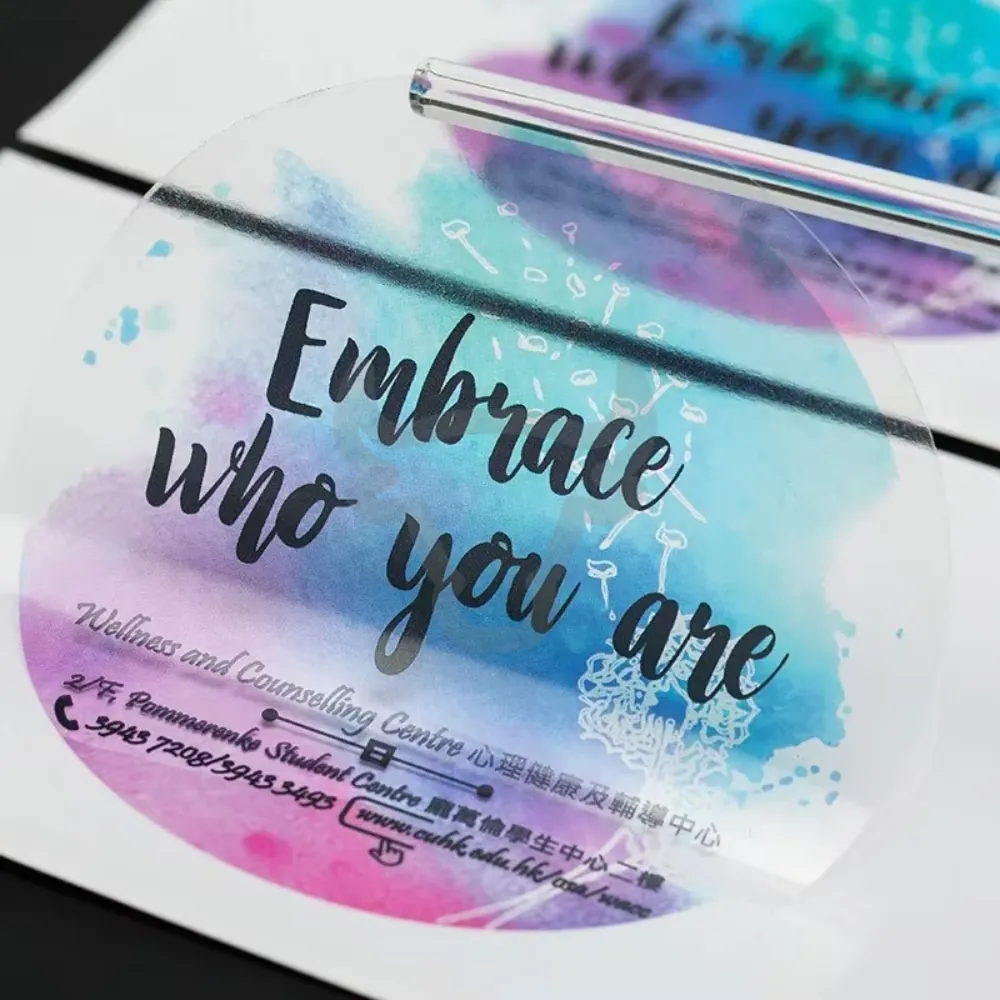
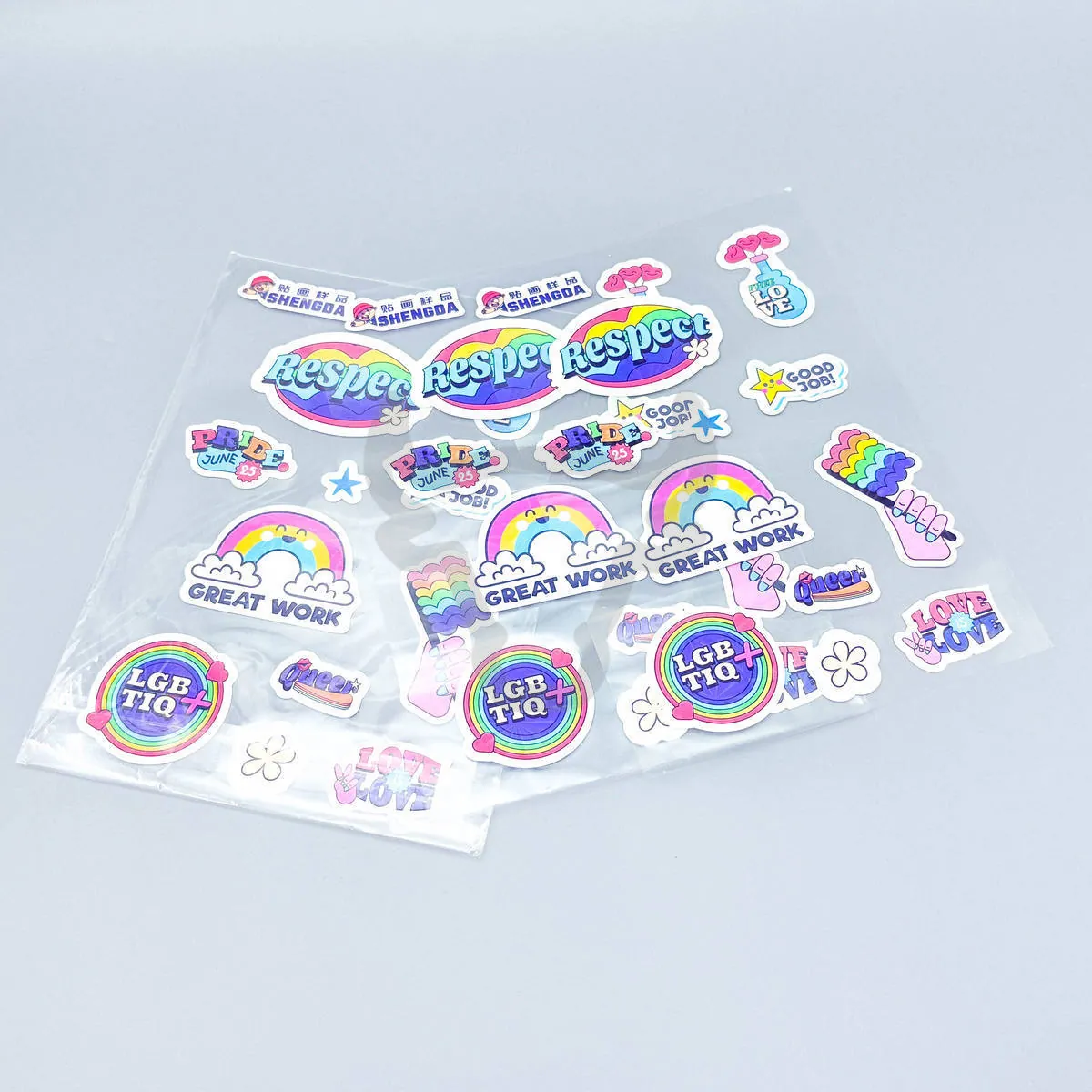
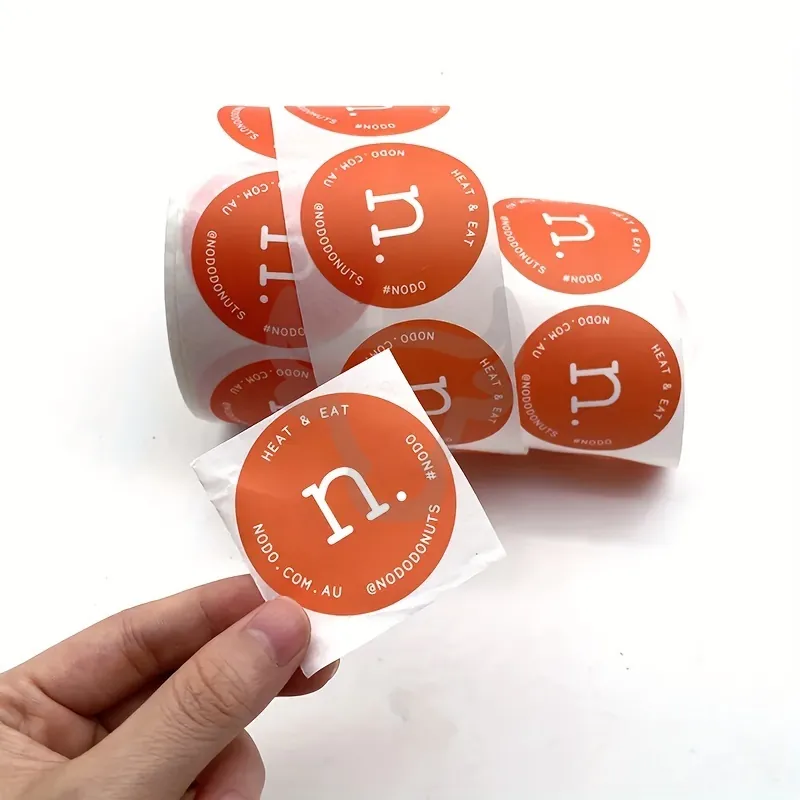
A white-ink layer is printed under the artwork on clear film. It fills the areas where the artwork has solid colour or light tones, so the print is not tinted by the surface underneath.
When to use it
- Solid colour artwork — covers everything that should look the same regardless of background.
- Light tones on a dark surface — without white ink, light colours look grey or tinted.
- Any artwork that must match a brand colour exactly over a coloured or dark surface.
When it is not needed
Lighter artwork on white or light-coloured surfaces often works well without a white-ink layer. The product or surface shows through the clear portions of the design, which is part of the look.
Choose where the white sits
White ink does not have to sit under the entire design. It can support selected text, a logo or colour block while leaving other areas transparent. A separate white-ink layer makes that intent explicit and avoids treating every clear area as a printing error.
On glass or clear packaging, consider what will be seen behind the label. Liquid colour, product contents and rear-panel artwork can all change the apparent colour from the front. On dark or strongly coloured surfaces, unsupported inks may become muted or nearly disappear.
Prepare the artwork
- Keep the printable artwork and white-ink mask on separate, clearly named layers.
- Use a solid vector shape for the white mask where possible.
- Decide whether white should sit exactly under the colour or be slightly pulled back from an edge.
- Include a photo of the real application surface.
When opacity or colour matching matters, review a physical sample on the actual container. A screen preview cannot reproduce the way transparent material, white ink and the background interact.